
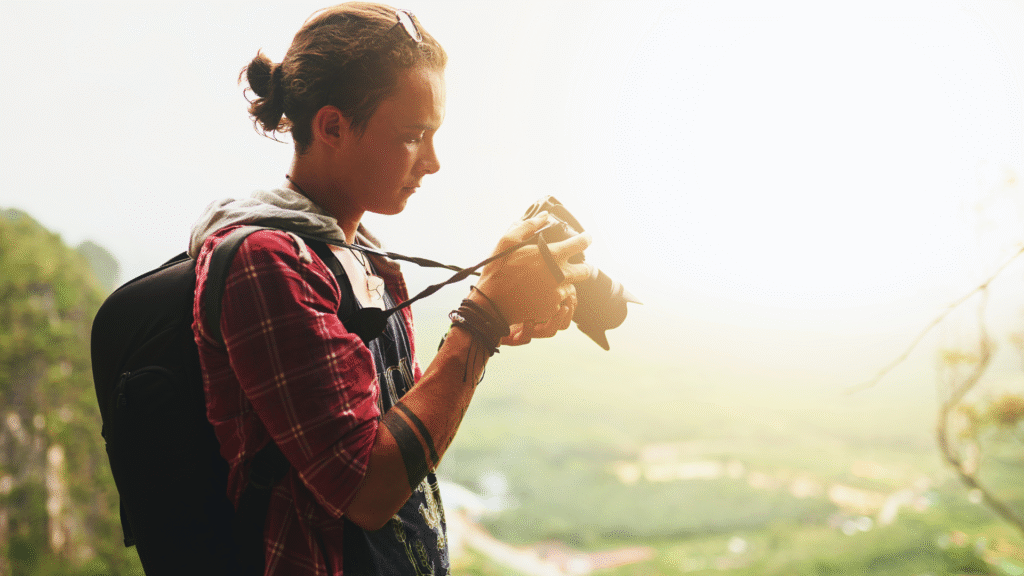
Photography serves as a powerful lens through which travelers can engage more deeply with their surroundings. By capturing images, individuals not only document their journey but also enhance their ability to notice details they might otherwise overlook. This practice allows for a richer travel experience, prompting a deeper connection to the culture, landscapes, and people encountered along the way.
When armed with a camera, travelers often find themselves more present and observant. They instinctively seek unique perspectives, revealing the beauty and intricacies of a location. The act of framing a shot can transform mundane scenes into extraordinary moments, fostering appreciation and reflection.
Moreover, photography can bridge gaps between travelers and locals, encouraging meaningful interactions. Conversations sparked by shared images or interests can lead to authentic exchanges that enrich the traveler’s experience. Ultimately, the art of photography becomes a tool for not only recording memories but also for cultivating a more profound understanding of the world.
The Transformative Power of Travel Photography
Travel photography serves as a powerful tool for enhancing the travel experience. It heightens observation, fosters deeper connections with cultures, and tells compelling stories through visual narratives. Each aspect contributes significantly to how travelers engage with their surroundings.
Heightening Observation and Mindfulness
Photography encourages travelers to observe their environments more carefully. By framing a shot, they focus on details often overlooked, such as textures, colors, and local life. This process sharpens one’s awareness, prompting a more profound appreciation for the destination.
Travelers may find themselves pausing to capture moments, leading to increased mindfulness. As they consider angles and lighting, the art of photography transforms their experience into a conscious exploration. This heightened awareness can result in a deeper emotional connection to places visited.
Deepening Connection with Cultures
Engaging in travel photography often leads to more meaningful interactions with local communities. By capturing portraits and cultural practices, photographers become part of the narrative, fostering mutual respect. This connection creates opportunities for dialogue, enabling travelers to learn about customs and traditions.
Furthermore, sharing these images honors the cultures represented, promoting cross-cultural understanding. Travelers often gain insights into the daily lives of locals, embracing their stories through the lens. This exchange enriches the travel experience, adding layers of significance to the journey.
Storytelling Through Visual Narratives
Each photograph taken during travel creates a unique story, allowing travelers to communicate experiences without words. Visual narratives convey emotions, moments, and impressions that resonate deeply with viewers. They form a bridge between the photographer’s experiences and the audience’s understanding of a place.
Travel photography can highlight contrasts, showing both the beauty and the challenges of a destination. By encapsulating diverse perspectives, these images invite viewers to engage with the complexities of different cultures and environments. This storytelling aspect breathes life into memories, making them accessible and impactful long after the trip ends.
Mastering Photography Fundamentals on the Road
Understanding the fundamental aspects of photography will enhance the travel experience greatly. This section addresses key factors, such as camera types, essential gear, and camera settings, to empower travelers to capture stunning images.
Choosing Between DSLR and Mirrorless Cameras
When selecting a camera, travelers often face the choice between DSLR and mirrorless models. DSLR cameras are known for their robust construction and excellent optical viewfinders. They typically offer a larger selection of lenses and accessories.
In contrast, mirrorless cameras are lighter and more compact, making them easier to carry during travels. They have advanced features like faster autofocus and often superior video capabilities.
Ultimately, the choice depends on personal preference and specific travel needs. For example, someone focused on landscape photography may prefer a DSLR, while a traveler prioritizing portability might opt for a mirrorless camera.
Essential Gear: Tripods and Lenses
Tripods are vital for stable shots, particularly in low-light scenarios or when capturing landscapes. A lightweight tripod is recommended for travel, allowing for easier portability without sacrificing stability.
Lenses play a crucial role in achieving diverse photographic results. A versatile zoom lens can adapt to various scenes, while a fixed lens often provides better image quality.
Photographers should consider carrying a wide-angle lens for landscapes and a prime lens for low-light situations. This mix can increase creativity and flexibility in different environments.
Understanding Camera Settings for Travel
Knowledge of basic camera settings is essential for capturing high-quality images. Key settings include ISO, aperture, and shutter speed.
Adjusting the ISO helps manage light sensitivity. A higher ISO is suitable for dim environments, while a lower ISO is ideal for bright conditions. The aperture controls the depth of the field, affecting how much of the scene is in focus.
The shutter speed determines how motion is captured. A fast shutter speed freezes action, while a slower speed can create motion blur for artistic effects. Familiarity with these settings allows photographers to adapt quickly to changing conditions while traveling.
Techniques to Enhance the Travel Experience Through Photography
Travel photography can significantly enhance the travel experience by engaging with surroundings and capturing moments. Utilizing specific techniques helps create impactful images that convey the essence of a place. Below are several important strategies.
Composition Techniques for Capturing Place
Effective composition is crucial in travel photography. The rule of thirds is a foundational technique. It suggests dividing the frame into a grid of nine equal parts. Placing the main subject along these lines or intersections creates balance and interest.
Leading lines, like roads or rivers, guide the viewer’s eye into the scene. Framing the subject with natural elements adds depth. This approach highlights the subject while integrating it into the environment.
Experimenting with different angles can yield unique perspectives. Low angles make subjects appear more dominant, while overhead shots can provide context. Each approach offers a distinct narrative, allowing the viewer to engage with the travel experience.
Harnessing Natural Light and Golden Hour
Natural light significantly influences the quality of photographs. The golden hour, occurring shortly after sunrise and before sunset, provides soft, warm light. This reduces harsh shadows and enhances colors, making it ideal for stunning landscape and portrait photography.
Cloudy days can also be beneficial. Soft light diffused through clouds minimizes glare and highlights textures. Travel photographers should seek out varied lighting conditions, adjusting their approach based on the day’s weather for optimal results.
Utilizing backlighting can create dramatic effects. Silhouetting subjects against a bright background offers a creative twist. Understanding how to manipulate light enhances visual storytelling in travel photography.
Creative Use of Aperture and Shutter Speed
Aperture settings determine how much light enters the camera and influence the depth of the field. A wider aperture (e.g., f/2.8) creates a shallow depth of field. This blurs the background, emphasizing the subject. It is useful for isolating details or portraits.
Conversely, a smaller aperture (e.g., f/11) increases depth of field, keeping more elements in focus. This is advantageous for landscapes where depth and detail are desired.
Shutter speed complements aperture settings. A fast shutter speed freezes motion, capturing dynamic scenes like bustling markets or wildlife. Slow shutter speeds can create a sense of movement, ideal for flowing water or moving crowds. Balancing these settings enhances the emotional impact of images.
Achieving Desired Depth of Field
Depth of field (DoF) plays a vital role in photography’s storytelling aspect. Shallow DoF isolates subjects, drawing attention to them while softening distractions. It is particularly effective in portraits, where the background should remain unobtrusive.
To achieve this, photographers adjust the aperture, focal length, and distance to the subject. A longer focal length tends to create a shallower DoF, making more dramatic portraits.
For landscapes, a deeper DoF from smaller apertures ensures sharpness throughout the image. This technique captures expansive vistas, showcasing the intricate details of a scene. Mastery of DoF allows photographers to control narrative focus and viewer attention effectively.
Sharing, Preserving, and Monetizing Your Travel Photos
Travel photography offers a unique way to share experiences, preserve memories, and even generate income. Each aspect requires thoughtful consideration and strategic actions to maximize impact and opportunities for growth.
Documenting and Curating Your Journey
Capturing travel moments involves more than just taking photos. It requires a mindful approach to documenting experiences and curating a compelling narrative. Photographers should choose images that resonate with their journey and reflect diverse aspects of their travels, such as landscapes, culture, and people.
Using tools like Lightroom or Snapseed allows for effective organization and editing. An organized catalog of photos grouped by themes or locations can facilitate sharing.
Creating an engaging online portfolio or utilizing platforms like Instagram, Flickr, or personal blogs can enhance visibility. Consistency in sharing is key for building an audience and fostering connections.
Ethical Considerations and Local Engagement
Respecting local cultures and communities is crucial in travel photography. Photographers should seek permission before capturing sensitive moments or private individuals. This not only avoids ethical dilemmas but also cultivates a positive relationship with locals.
Engaging with the community can deepen the travel experience. Participating in local events or projects allows photographers to document authentic narratives while giving back. Collaborating with local artists for joint projects or workshops can further enrich the story being told through photography.
Sharing insights about cultural practices can elevate the audience’s understanding and appreciation.
Opportunities for Commission and Professional Growth
Monetizing travel photography can take various forms, including commissions, prints, and stock photography. Photographers can offer their services to tourism boards, travel companies, or magazines seeking fresh content.
Building a strong portfolio showcasing diverse styles enhances marketability. Engaging in social media marketing and networking at events can lead to opportunities.
Participating in exhibitions or workshops not only highlights talent but can also open doors to long-term collaborations.
Establishing a presence on stock photography websites can provide passive income as well. With dedication and strategic planning, travel photographers can turn their passion into a sustainable venture.