
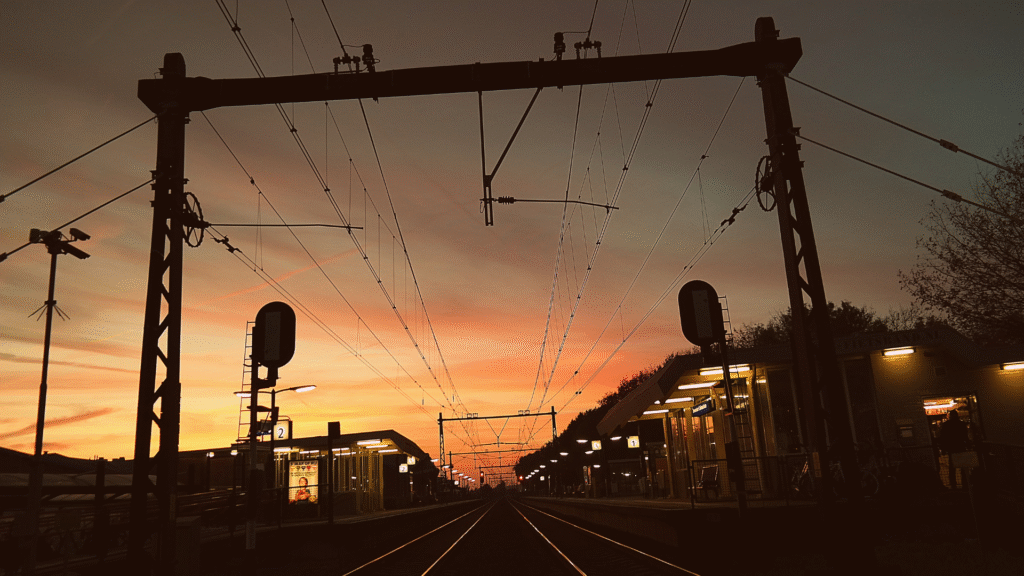
Light and shadow are essential elements that shape the mood and depth of travel photography. Knowing how to manipulate these components allows photographers to transform ordinary scenes into captivating images that tell a story. By understanding the position of natural light and how it interacts with subjects, one can create striking contrasts and highlight details that would otherwise go unnoticed.
Travel photographers often chase the golden hour, where soft light enhances landscapes and portraits. Using shadows can add texture and drama, crafting a sense of place and time. By experimenting with various lighting conditions and angles, they can achieve unique compositions that draw viewers in.
Incorporating light and shadow not only elevates visual appeal but also conveys emotions and atmospheres. Photographers can evoke nostalgia, serenity, or excitement simply through their use of these elements. Embracing these techniques can lead to stunning results that resonate with audiences and elevate travel imagery to new heights.
Mastering the Fundamentals of Light and Shadow in Travel Photography
Capturing the essence of travel photography relies heavily on understanding how light and shadow interact. This knowledge enables photographers to create compelling images that capture the atmosphere of a location.
Understanding Light and Shadow Interaction
Light and shadow play a crucial role in defining the mood of a photograph. When light hits an object, it creates shadows that add depth and dimension. Different times of day affect the quality of light—golden hour, for example, offers soft, warm tones that enhance textures and colors.
Photographers should experiment with various light sources, such as natural sunlight, artificial lighting, and even reflections. Understanding how shadows can lead the viewer’s eye towards focal points is vital. Utilizing contrasting light can help highlight subjects while creating striking compositions.
Role of Lighting in Travel Photography
Lighting conditions are essential for conveying the character of a place. Soft light conditions, such as overcast days, can produce even illumination, reducing harsh shadows. This can be particularly effective for capturing details in landscapes or urban settings.
In contrast, strong, directional light enhances textures and can create dramatic compositions. Photographers can use harsh sunlight to highlight architectural features or natural elements. Being aware of the sun’s position allows for planning shots that best utilize available light for storytelling.
Balancing Exposure for Atmospheric Effects
Exposure is key to balancing light and shadow effectively. Overexposed images lose detail in highlights, while underexposed photos fail to capture shadow nuances. Utilizing the histogram in a camera can help visualize exposure, ensuring that both highlights and shadows are preserved.
Shooting in RAW format grants more flexibility in post-processing, allowing adjustments in exposure without significant loss of quality. Photographers should consider varying exposure settings to create different atmospheres. For instance, a slightly underexposed shot can evoke a moody, mysterious feeling, while proper exposure can produce clarity and vibrance.
Techniques for Harnessing Light and Shadow on Location
Effective travel photography relies on the skillful use of both light and shadow. Mastering techniques for utilizing natural and artificial light enhances the depth, mood, and visual appeal of photographs.
Using Natural Light for Depth and Mood
Natural light can transform a scene, creating depth and evoking emotion. The golden hour—shortly after sunrise or before sunset—produces warm, soft lighting that enhances colors. Photographers should seek locations with interesting foreground elements to contrast with the background, adding layers to the composition.
Positioning subjects with the light source behind them can create dynamic effects. The way light interacts with different surfaces, like water or foliage, can add texture. Observing how shadows play across the landscape also creates opportunities for engaging compositions.
Creative Applications of Artificial Light
Utilizing artificial light allows for more control over shadows and highlights. Portable flashes or LED panels can be employed to illuminate subjects in low-light situations or to fill in harsh shadows. The direction and intensity of the light can be adjusted to achieve the desired effect.
Experimenting with colored gels on lights adds creativity to night photography. This can enhance the mood of the setting. It’s important to balance artificial light with ambient light to maintain a natural look in the final image.
Composing with Shadows for Visual Impact
Shadows can enhance visual storytelling in travel photography. Photographers should look for ways to incorporate shadows into their compositions. Silhouettes can create striking images, especially against bright backgrounds.
To achieve silhouettes, position subjects against a bright light source. This technique emphasizes shapes and forms that can be more powerful than the subject’s details. Understanding the light’s direction helps in managing shadow placement for dramatic visual impact.
Managing Silhouettes and Backlighting
Backlighting is a potent tool for travel photographers. It emphasizes shapes and contours, making subjects appear ethereal. Photographers should position themselves so that their subjects are bathed in light, ideally with transparent elements like water or leaves in view.
Creatively controlling exposure will help maintain the details in the highlights while ensuring shadows don’t overpower the shot. Balancing the exposure settings on the camera is crucial for successfully capturing the essence of backlighting without losing important details.
Advanced Approaches to Enhance Travel Photography with Light and Shadow
Using light and shadow effectively can elevate travel photography by creating depth, texture, and emotion. Advanced techniques can transform ordinary scenes into compelling images full of character and clarity.
Implementing Side Lighting for Texture and Contrast
Side lighting is essential for adding depth and dimension to photographs. It emphasizes textures and creates strong contrasts, particularly in landscapes and architectural shots.
When photographing landscapes, he should position himself to catch the sunlight at an angle, illuminating one side of mountains or trees while leaving the other in shadow. This method enhances the natural features of the subject.
For architectural photography, side lighting can accentuate details in structures, revealing patterns that might otherwise go unnoticed. Capture images during golden hour for softer shadows and richer colors.
Leveraging Rembrandt Lighting in Portraits
Rembrandt lighting is a popular technique in portrait photography known for its aesthetic appeal. It creates a triangle of light on one cheek, contrasted by shadow on the opposite side of the face.
To achieve this effect, the subject should be positioned at an angle to the light source, typically near a window or outdoor location. This lighting adds depth and dimension to facial features, making portraits feel more three-dimensional.
When applying Rembrandt lighting, adjusting the light’s intensity is crucial. A soft light can create a romantic feel, while a harsher light may convey strength or intensity.
Integrating Leading Lines and Framing
Leading lines guide the viewer’s eye to the focal point of an image. He can incorporate roads, pathways, or natural elements like rivers to create a visual journey throughout the frame.
Framing involves using elements within the scene to frame the main subject. This technique draws attention to the subject and adds context to the surroundings.
Combining leading lines with effective framing can result in powerful compositions. Photographers should actively seek out these elements in various settings, such as urban environments or natural landscapes, to enhance the storytelling aspect of their travel photographs.