
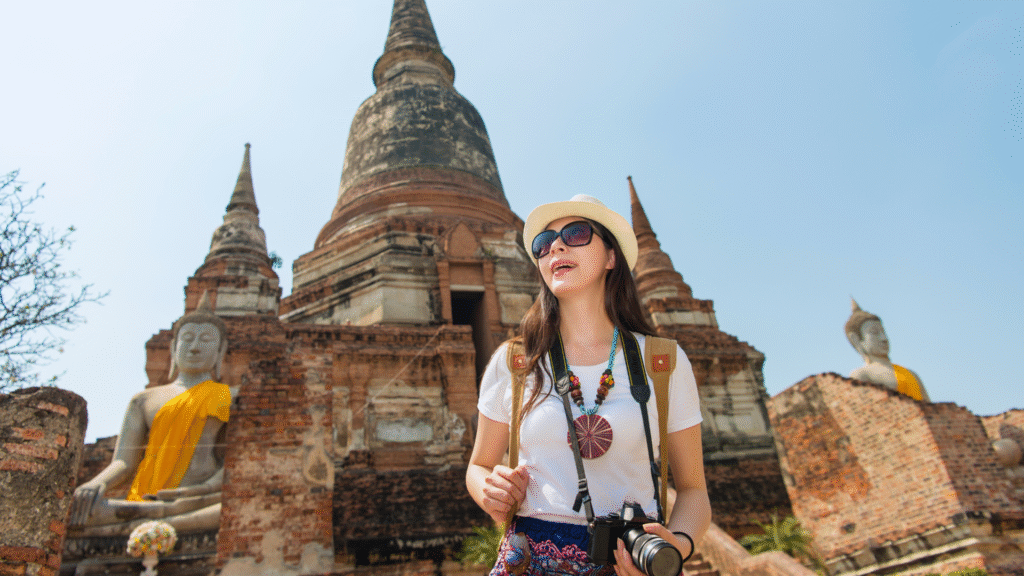
Travel photography captures moments that transcend language barriers, allowing viewers to connect with diverse cultures and experiences. Through powerful imagery, a single photograph can evoke emotions and provoke thoughts that words often struggle to convey. This visual storytelling offers an intimate glimpse into the lives of people and places, creating a dialogue between the viewer and the subject.
From vibrant street markets to serene landscapes, each photograph tells a unique narrative shaped by the photographer’s perspective. The essence of a destination can be beautifully encapsulated in a single shot, illustrating not just sights, but the spirit of a place. Engaging with travel photography helps individuals gain insight into a world rich with stories waiting to be discovered.
As travelers share their journeys through visuals, they inspire others to explore and appreciate the beauty of diverse environments. The art of travel photography serves as a reminder that every image can tell a story, fostering a deeper understanding of humanity and the places we inhabit.
The Power of Storytelling in Travel Photography
Travel photography serves as a medium that transcends language barriers. It captures human experiences and emotions, creating compelling stories that resonate with viewers. Each image serves as a visual narrative, evoking feelings and memories that words alone may not convey.
Travel Photography as a Universal Language
Travel photography acts as a universal language that connects individuals from diverse backgrounds. Through striking visuals, photographers depict landscapes, cultures, and moments that invite viewers into different worlds.
Images of bustling markets, serene sunsets, or daily life in foreign towns tell stories intrinsic to the human experience. People can relate to the emotions portrayed, fostering an understanding that often goes beyond cultural differences.
How Images Convey Stories Beyond Words
Images in travel photography effectively communicate complex stories without the need for text. Each photograph captures a moment frozen in time, reflecting the nuances of a particular place or event.
Key elements include:
- Composition: The arrangement of subjects within a photo influences the narrative.
- Lighting: Natural or artificial light can evoke specific moods.
- Color: Vibrant colors might convey joy, while muted tones can illustrate melancholy.
These elements work together to create a visual storytelling experience that engages the viewer’s imagination and emotions.
The Role of Emotion and Human Experience
Emotion plays a crucial role in storytelling through photography. Travel photos often feature people engaged in authentic moments, revealing the shared aspect of human experiences.
Capturing laughter, sorrow, or curiosity allows viewers to connect deeply with the image, triggering their own memories.
Strong photographic storytelling evokes:
- Lasting Memories: Impressions that stay with viewers long after they have seen the images.
- Relatability: The ability to see oneself in the situation depicted fosters empathy.
Through this emotional lens, travel photography becomes a powerful tool for storytelling that resonates deeply and meaningfully across cultures.
Techniques for Crafting Compelling Visual Narratives
Effective travel photography tells stories that resonate with viewers. Employing specific techniques elevates these images by creating engaging, emotional experiences that speak for themselves. The following techniques focus on composition, lighting, framing, and capturing movement, all essential for creating compelling visual narratives.
Composition Strategies: Rule of Thirds and Leading Lines
The Rule of Thirds is a foundational composition technique in photography. By dividing an image into a grid of nine equal parts, photographers can position subjects at the intersections or along the lines. This creates balance and draws the viewer’s eye to focal points naturally.
Leading Lines guide the viewer’s gaze through the image. Roads, rivers, and architectural features act as pathways leading to the main subjects. Utilizing these elements helps create depth and context, enhancing the storytelling aspect of the photograph.
Lighting: Harnessing Golden Hour for Impact
Golden Hour is the period shortly after sunrise or before sunset, known for its warm, diffused light. Photographers often find that this lighting casts a soft glow, enriching colors and textures.
Shooting during this time can create dramatic shadows and highlights, emphasizing details that might otherwise go unnoticed. This warm light sets an emotional tone, making images more inviting and engaging to the viewer. Proper understanding of lighting plays a crucial role in elevating visual narratives.
Framing, Symbolism, and Sequence of Images
Framing utilizes natural or architectural elements to outline subjects, drawing attention and adding context. This technique can subtly influence how viewers interpret an image, creating layers of meaning.
Incorporating symbolism enhances storytelling by using recognizable objects or scenes to convey deeper emotions or narratives. For example, a single flower in a desolate landscape might symbolize resilience.
The sequence of images is vital for telling a cohesive story. A series of photographs captures different aspects of a single event or experience, allowing viewers to form connections and immerse themselves in the narrative.
Capturing Movement, Action, and Authentic Emotion
Capturing movement and action brings a dynamic quality to travel photography. This can be done using slower shutter speeds to create motion blur, suggesting energy and life.
Authentic emotion is crucial in storytelling. Candid moments that convey joy, awe, or contemplation resonate deeply with viewers. Engaging with subjects allows photographers to capture these genuine emotions, enhancing the narrative’s impact.
Together, these techniques empower photographers to craft rich and compelling visual stories that transcend language barriers.
Photographing People and Cultural Context
Capturing the essence of a culture often lies in the faces of its people. Through close-up and environmental portraits, a photographer can convey rich narratives that reflect individual and communal experiences.
Close-Up Portraits and Environmental Portraits
Close-up portraits focus on the subject’s expression and intricacies of their features. This approach can create an intimate connection, allowing viewers to feel the subject’s emotions. Lighting and background play a significant role in enhancing these portraits.
Conversely, environmental portraits place subjects within their surroundings. This broader context provides important clues about their lifestyle, culture, and environment. Including elements like local architecture, clothing, or daily activities helps tell a more comprehensive story. Together, these techniques enrich travel photography.
Telling Personal Stories Through Faces and Places
Each face carries a unique narrative that resonates with the viewer. Travel photographers often look for moments that reveal personal stories. Capturing candid expressions during daily routines or festivals highlights the culture’s vibrancy.
When combined with elements from their surroundings, these images can evoke strong emotions. This fusion encapsulates the essence of a place, transforming a simple photograph into a powerful storytelling tool. The juxtaposition of a person’s gaze against their backdrop often invites viewers to explore the deeper significance of the scene.
Connecting With Local Communities Authentically
Authentic engagement with local communities enhances the storytelling aspect of travel photography. Photographers who take the time to interact with residents can create more meaningful images. Building rapport leads to natural portraits that capture the true spirit of a place.
Trust is essential in this process. Many photographers find that asking permission before taking a photo fosters mutual respect. When people feel valued, the resulting images often reflect genuine emotions and interactions. This practice not only enriches the photographer’s experience but also aids in conveying the culture’s authenticity in travel photos.
Tools, Equipment, and Post-Processing for Storytelling
Effective travel photography relies on the right tools and techniques to convey stories visually. Choosing the appropriate equipment and mastering post-processing can significantly enhance narrative impact.
Choosing Cameras: SLRs, Zoom, and Prime Lenses
Selecting a camera is crucial for capturing meaningful travel images. Digital SLRs (DSLRs) offer versatility and excellent image quality, making them ideal for various conditions.
Zoom lenses provide flexibility, allowing photographers to quickly adapt to changing scenes without switching lenses. This is useful in dynamic environments where time is limited.
In contrast, prime lenses typically offer superior image quality and better low-light performance. They can help to create impactful images with a beautiful depth of field, emphasizing subjects within their surroundings.
Photographers should consider their unique needs, subjects, and styles when choosing equipment.
Organizing and Preserving Images
Efficient organization of images is essential for storytelling. Photographers often face the challenge of navigating thousands of photos post-trip, making organization paramount.
Using external hard drives allows for secure storage. They provide ample space to archive high-resolution images without risking data loss.
Creating a structured folder system can streamline the retrieval process. By categorizing images by location, date, or theme, photographers can easily locate the visuals needed for storytelling.
Tags and metadata can further enhance organization, allowing for effective searches and cataloging.
Post-Processing for Narrative Consistency
Post-processing is vital for enhancing the narrative aspect of travel photography. Basic adjustments like exposure, contrast, and color balance help elevate images.
Using software such as Adobe Lightroom or Photoshop, photographers can refine their visuals to ensure consistency and cohesion throughout their collection.
Applying thematic filters or color grading can help unify disparate images, creating a coherent story.
Maintaining a consistent style throughout a photo series can strengthen the overall narrative. Subtle edits can enhance emotional resonance and highlight key elements without distortion.
Attention to detail in post-processing reflects the photographer’s commitment to storytelling through imagery.