
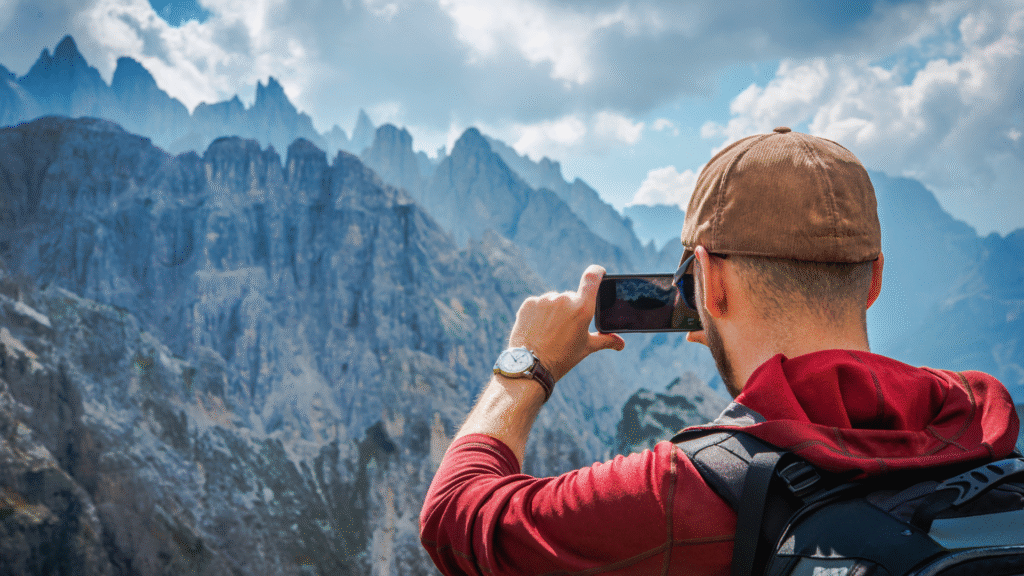
Capturing the essence of travel through photos often feels daunting, but with a smartphone, it’s more accessible than ever. By understanding key techniques such as composition, lighting, and the use of editing apps, anyone can take striking photographs that stand out. With just a few adjustments to the way one approaches photography, the quality of travel images can improve significantly.
Equipped with the right tools and knowledge, they can transform everyday scenes into stunning works of art. Attention to detail, selecting the perfect moment, and embracing creativity are essential elements in the process. This guide offers practical tips to elevate photos taken on mobile devices and bring the beauty of the journey to life.
The simplicity of smartphone photography should not be underestimated. With its powerful capabilities and convenience, it allows photographers of all skill levels to produce professional-looking images. Embracing these techniques can lead to unforgettable travel memories captured in vibrant detail.
Mastering Smartphone Camera Basics
To take striking travel photos with a smartphone, one must grasp the fundamental aspects of smartphone cameras, utilize essential apps, and adjust camera settings effectively. Mastering these elements can significantly enhance photo quality.
Understanding Your Phone Camera
Smartphone cameras have evolved with impressive technology. They often feature multiple lenses, including wide-angle, telephoto, and ultra-wide. Users can benefit from understanding their specific phone camera features.
Key Features to Explore:
- Optical Zoom vs. Digital Zoom: Optical Zoom provides finer detail by using the actual lens. In contrast, digital zoom crops the image, potentially sacrificing quality.
- Shutter Speed and ISO: Adjusting these settings can control exposure and motion blur. A faster shutter speed freezes motion, while ISO impacts the camera’s light sensitivity.
Familiarity with these elements allows for more deliberate photographic choices.
Essential Camera Apps
While built-in camera apps are useful, numerous third-party apps offer advanced features. Some popular choices include:
- ProCamera: Offers manual controls for shutter speed and ISO.
- Snapseed: Ideal for post-processing with a variety of editing tools.
- Lightroom Mobile: Provides robust editing options and presets.
Using these apps allows users to customize their photography experience. Many support ProRAW formats for enhanced editing flexibility.
Optimizing Camera Settings
Optimizing settings can maximize photo quality.
Essential Adjustments:
- HDR Mode: Useful in high-contrast situations, it combines varying exposures to maintain detail in highlights and shadows.
- Grid Lines: Activating grid lines aids in composition, following the rule of thirds.
Users should also experiment with different modes such as night mode or portrait mode to see what works best in various environments.
By mastering these basics, traveling photographers can capture compelling images that convey their experiences.
Professional Composition Techniques for Travel Photos
Effective composition is essential for capturing stunning travel photos. Utilizing techniques like the rule of thirds, leading lines, and unique angles can transform ordinary images into eye-catching visuals. Each technique enhances the visual appeal and storytelling of the photograph.
Applying the Rule of Thirds
The rule of thirds is a fundamental composition technique in photography. It involves dividing the image into a 3×3 grid by overlaying two vertical lines and two horizontal lines. Key elements should be placed along these lines or their intersections.
This method creates balance and draws the viewer’s eye. For landscapes, place the horizon along the top or bottom line, enhancing depth and perspective. In portrait photography, positioning the subject on one of the vertical lines can create a more dynamic composition. Using grid lines can help with this placement, making it easier to achieve professional results.
Utilizing Leading Lines and Symmetry
Leading lines guide the viewer’s eye through the image, creating a sense of depth and perspective. Roads, railings, or natural elements can serve as leading lines, drawing attention to the main subject.
Symmetry can also enhance composition. Capturing symmetrical scenes, such as reflections in water or architectural features, creates visually stunning images. When photographing, strive to center the symmetry in the frame to emphasize harmony. Combining leading lines with symmetrical elements can result in powerful compositions that engage viewers and invite exploration.
Finding Unique Angles and Perspectives
Finding unique angles is crucial in travel photography, as it sets images apart from standard shots. Instead of shooting from eye level, explore higher or lower vantage points. This approach adds interest and dimension to the photo.
Incorporate elements like reflections or foreground objects to frame the main subject. Experimenting with different perspectives can reveal untold stories within a scene. For smartphone photography, utilizing landscape and portrait modes effectively can enhance the outcome. Keeping an eye out for unexpected angles will lead to compelling compositions that capture the essence of the destination.
Lighting Strategies for Stunning Results
Effective lighting is essential for capturing breathtaking travel photos. Utilizing natural light, maximizing specific times of day, and managing challenging conditions can significantly enhance image quality.
Harnessing Natural Light
Natural light provides a vibrant and dynamic source for photography. It can be soft, diffused, or harsh, depending on the time of day and environmental conditions.
To make the most of natural light:
- Shoot during daylight hours for bright, well-lit images.
- Utilize reflectors or light-colored surfaces to bounce light onto subjects.
- Avoid the harsh midday sun, which can create unflattering shadows.
Utilizing natural light creatively can elevate even the simplest scenes.
Golden Hour and Blue Hour Techniques
Golden hour occurs shortly after sunrise or before sunset. The light is warm and soft, offering beautiful tones that enhance landscapes and portraits.
Key techniques for these times include:
- Shooting during golden hour for flattering skin tones and vibrant skies.
- For a blue hour, capture scenes with ambient street lights, creating contrast with a cool, blue sky.
- Consider using a long exposure. This technique can create stunning effects, especially when capturing moving water.
Both hours yield visually captivating images.
Managing Difficult Lighting Conditions
Not all situations provide ideal lighting. Learning to navigate challenging conditions improves photography skills.
In low-light scenarios:
- Increase ISO settings while balancing graininess.
- Use wide apertures to allow more light, keeping a shallow depth of field to isolate subjects.
- Remote shutter releases can help reduce blur by minimizing camera shake.
In contrast, during bright conditions, consider using ND filters to limit light intake, allowing for better exposure control.
Editing and Enhancing Travel Photos on Your Phone
Editing enhances the quality of travel photos, allowing photographers to refine their images for a more polished look. Utilizing the right apps and tools is crucial for achieving professional results directly from a smartphone.
Choosing the Right Editing Apps
Effective editing begins with the right app. Popular choices among travel photographers include Snapseed, VSCO, and Lightroom Mobile.
- Snapseed offers comprehensive tools for all skill levels, including selective adjustments and sophisticated filters.
- VSCO is favored for its aesthetic presets, perfect for achieving a consistent look across a series of images.
- Lightroom Mobile provides advanced features like RAW editing, enabling greater control over exposure and color balance.
Other notable options include Afterlight, which is great for quick edits and unique textures. Choosing the right app depends on personal preference and the specific features needed for a project.
Essential Photo Editing Tools
Once an app is selected, photographers should familiarize themselves with essential editing tools. Key features typically include:
- Exposure: Adjusting brightness helps bring out details in shadows or highlights.
- Contrast: Enhances depth by making shadows darker or highlights brighter.
- Saturation: Boosts or reduces color intensity for vibrant or muted looks.
- Sharpness: Improves detail, especially in landscapes or architectural shots.
Using these tools thoughtfully can dramatically improve image quality. It’s important to avoid over-editing, which can create unnatural appearances.
Refining Images for a Professional Finish
Achieving a professional touch involves fine-tuning the composition and aesthetics of each image. Photographers should consider cropping to improve framing, ensuring the subject is prominent.
- Alignment: Straightening tilts can significantly enhance the professionalism of a shot.
- Filters: While filters can add mood, it’s crucial to use them sparingly to maintain authenticity.
- Vignetting: Adding a slight vignette can draw focus to the center of the image and enhance overall impact.
Furthermore, exporting images in high resolution ensures that quality is maintained across different platforms, benefiting any travel blogger or photographer.