
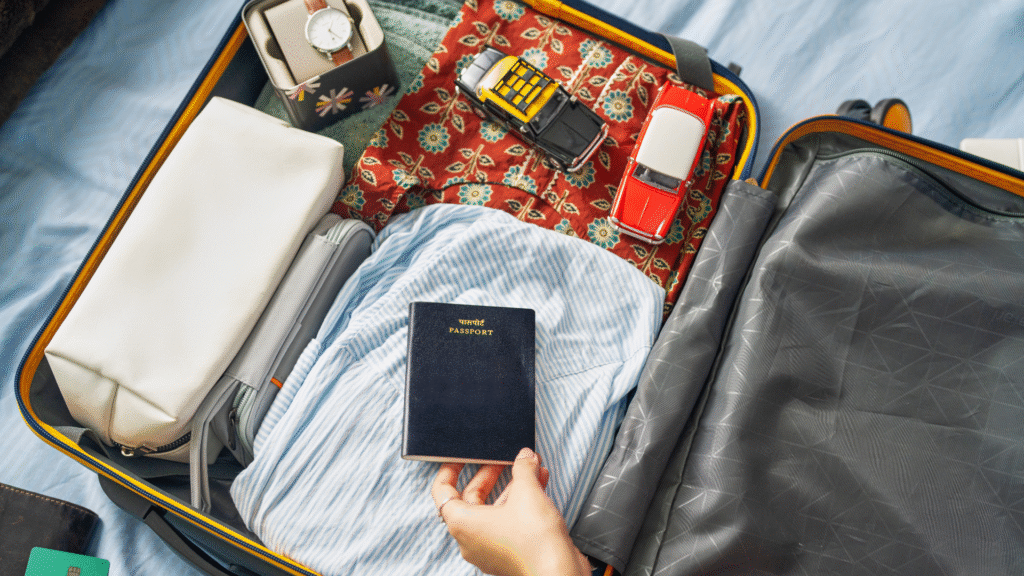
Long-term travel can be an exhilarating experience, but it comes with its own set of challenges, especially when it comes to packing. The ultimate packing list for long-term travelers ensures that they are well-prepared for various scenarios without being weighed down by unnecessary items. Knowing what to pack can make the difference between a smooth journey and a stressful one.
Travelers need versatile clothing, essential toiletries, and reliable gear that caters to different climates and activities. Additionally, having the right technology, such as a portable charger and travel-friendly gadgets, can enhance their travel experience significantly. With a comprehensive packing list in hand, they can focus on making memories rather than stressing over forgotten essentials.
This guide seeks to simplify the packing process by providing a targeted list that caters to long-term travel. By following these recommendations, travelers can optimize their packing strategy and feel confident embarking on their adventures.
Essential Packing List for Long-Term Travelers
Packing for long-term travel requires careful consideration of items to ensure comfort and utility. Focus on travel documents, versatile clothing, appropriate footwear, and essential personal care items. The right preparation enhances the travel experience significantly.
Travel Documents and Identification
A well-organized selection of travel documents is critical. Travelers should have a passport that is valid for at least six months beyond the return date. Along with this, a visa may be necessary depending on the destination.
Documents should be kept in an easily accessible passport holder for protection. Important documents to bring include:
- Copies of passport and visa
- Travel insurance details
- Flight and accommodation confirmations
- Emergency contact information
These copies should be stored separately from the originals. A digital backup is also advisable for added security.
Core Clothing and Capsule Wardrobe
Creating a capsule wardrobe is ideal for long-term travel. This wardrobe includes versatile pieces that mix and match easily. Key items to consider are:
- 3-5 t-shirts or tops
- 2-3 pairs of jeans or shorts
- A long skirt for more formal occasions
- A sweater or lightweight jacket for varying climates
Essential undergarments should include 5-7 pairs of underwear and a few bralettes. Swimsuits are also recommended if beach destinations are included. Using packing cubes allows for better organization and maximizes space in the luggage.
Footwear Choices for Every Adventure
Selecting the right footwear is crucial for comfort during long-term travel. A good strategy is to bring 3 pairs:
- Hiking boots for outdoor activities, providing support and durability.
- Sandals for casual wear and relaxation, essential in warmer climates.
- A comfortable pair of walking shoes to keep feet happy while exploring.
Travelers should ensure that each pair is broken in before the trip to prevent blisters. Packing a few pairs of breathable socks complements the footwear options.
Toiletries and Personal Care Essentials
Toiletries require thoughtful packing to stay within regulations and maintain essentials. Key items include:
- A compact toiletry bag with items such as a toothbrush, toothpaste, and shampoo.
- Personal care items like deodorant, razors, and a small first-aid kit that includes basic medicine.
Consider travel-sized products to save space. A quick-dry towel is also beneficial for varying accommodation conditions. Keeping personal care products organized ensures ease of access during the journey.
Must-Have Travel Gear and Electronics
Travelers need reliable gear and electronics to enhance their experiences. Selecting the right items ensures comfort, convenience, and safety throughout long journeys. Below are essential categories to consider for effective packing.
Electronics and Camera Equipment
For capturing memories, a quality travel camera is vital. Many travelers prefer compact mirrorless cameras for their portability and image quality. Essential camera gear includes extra batteries, memory cards, and a sturdy tripod.
A reliable power bank helps keep devices charged, ensuring connectivity. Waterproof phone cases protect smartphones from damage during unexpected weather. Many travelers also rely on noise-canceling headphones for comfort in transit.
Consider packing a versatile universal adapter to cater to various outlet types around the world. A compact laptop or tablet may be useful for longer trips if work is needed.
Daypacks and Luggage Selection
Choosing the right luggage greatly impacts the travel experience. A lightweight travel backpack is ideal for day trips. Look for a backpack with adjustable straps and multiple compartments for organization.
Carry-on luggage should comply with airline regulations while fitting essential items. Durable designs, with wheels or a backpack option, provide flexibility.
A good daypack can also double as a personal item on flights. Include a travel water bottle to stay hydrated. Select luggage with secure closures and lockable zippers for added security.
Smart Travel Accessories
Smart accessories can simplify travel logistics. Packing duct tape can be handy for quick repairs on the go, such as fixing luggage or sealing openings in bags.
Travelers benefit from compression bags, which optimize space in luggage while organizing clothes. RFID-blocking sleeves or wallets safeguard personal information from digital theft.
Other useful accessories include portable luggage scales to avoid overweight fees and lightweight travel towels that dry quickly. These items contribute significantly to a stress-free travel experience.
Safety, Health, and Comfort on the Road
Traveling long-term requires attention to safety, health, and comfort. The right preparations can help to minimize risks and enhance the experience significantly.
Travel Insurance and Health Precautions
Investing in travel insurance is crucial for long-term travelers. It provides coverage for unforeseen medical emergencies, trip cancellations, and lost belongings. Prior to departure, travelers should research and select a policy that fits their needs. Important aspects to consider include:
- Medical coverage: Ensure that it covers hospitalization and emergency services.
- Repatriation: Check for coverage in case of medical evacuation to one’s home country.
- Adventure activities: Verify if the policy covers activities like hiking or scuba diving.
Health precautions are also vital. Vaccinations may be necessary, depending on the destination. Pack a basic medical kit with essentials like pain relievers, antiseptics, and any prescription medications. This preparation reduces the risk of packing mistakes and ensures readiness for various situations.
Staying Organized with Packing Tools
Organization is key to maintaining comfort and efficiency while traveling. Using packing cubes allows for better space management and easy access to items. Group similar items together, such as clothing, toiletries, and electronics.
A portable laundry system can also enhance comfort during long trips. Consider:
- Travel-sized detergent: Lightweight and easy to pack for laundry on the go.
- Laundry bags: Keep dirty clothes separate from clean ones.
Maintaining a well-organized pack can prevent unnecessary stress. Utilize packing lists to ensure no essential travel items are forgotten. By packing light and smart, travelers can enjoy their journey with fewer burdens.
Packing Tips and Strategies for Long-Term Travel
Traveling long-term requires smart packing to avoid unnecessary weight and ensure all essentials are included. Effective strategies can make the journey smoother and more enjoyable.
How to Travel Light and Avoid Overpacking
Traveling light is essential for long-term journeys. To do this, start with a packing checklist that includes versatile clothing, essential toiletries, and necessary electronics. Aim for 30% fewer items than initially planned. Focus on multi-purpose garments, such as a light jacket that can double as a raincoat.
Rolling clothes instead of folding can save space and reduce wrinkles. Utilizing packing cubes also organizes items efficiently.
Consider the 1-2-3 rule: pack one item for each category of clothing (top, bottom, outerwear), along with two pairs of shoes and three accessories. Avoid items that are rarely used. Frequent review and adjustment of the packing list will also help maintain a light load throughout the travels.