
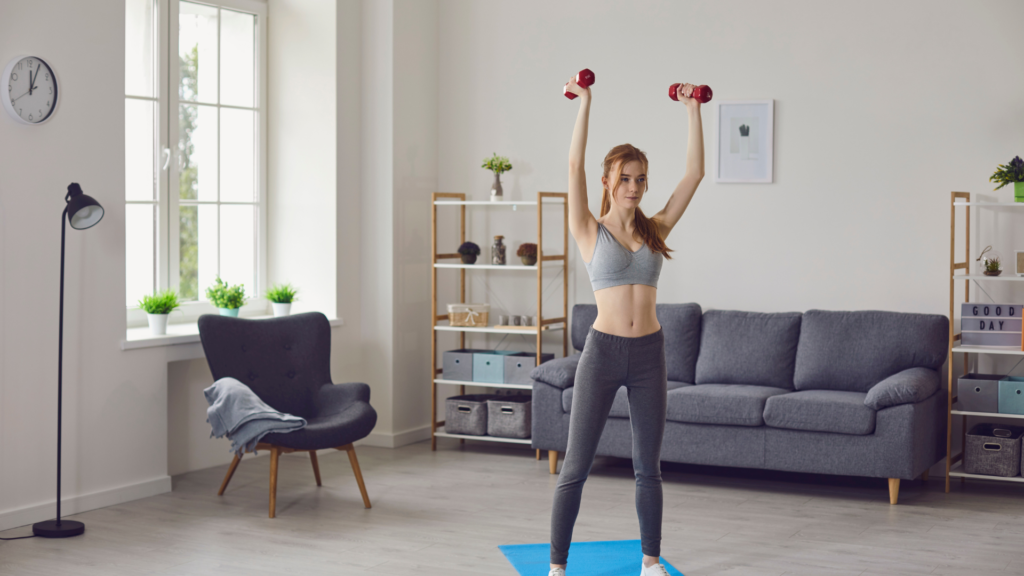
Staying active at home is essential for maintaining both physical and mental health. Incorporating regular physical activity into daily routines can improve emotional well-being and boost motivation. It’s not just about exercise; engaging in various activities can transform a typical home environment into a space for holistic health.
Many individuals struggle to find ways to stay fit without access to a gym. Simple modifications, like using household items for workouts or scheduling active breaks throughout the day, can make a significant difference. Incorporating movement into tasks, such as cleaning or gardening, can also enhance physical activity levels.
Staying connected with fitness communities online or exploring new workout apps can provide support and inspiration. Maintaining an active lifestyle at home contributes to overall wellness and fosters a positive mindset, making it easier to stay engaged and motivated.
Establishing a Home Workout Routine
Creating a consistent home workout routine requires careful planning and the right environment. It involves setting up a space conducive to exercise, selecting appropriate equipment, and designing a balanced program that promotes overall fitness.
Setting Up Your Space
A designated workout area increases focus and motivation. It doesn’t need to be large; a corner of a room can suffice. Ensure the space is well-lit and ventilated.
Consider using a yoga mat for comfort during floor exercises. A clean, clutter-free environment allows for better movement and safety. Ensure there’s enough room for dumbbells or resistance bands to be used without obstruction.
Add a mirror if possible. This helps monitor form during exercises, resulting in a more effective and safer workout experience.
Choosing the Right Equipment
Essential equipment can enhance a home fitness regimen.
This may include:
- Resistance bands: Versatile tools for strength training that take up minimal space.
- Dumbbells: Useful for various strength-building exercises.
- Jump rope: Effective for at-home cardio workouts.
For bodyweight exercises, minimal equipment is needed. Push-ups, squats, and lunges can be performed without any gear. Accessories like a stability ball or kettlebell can add variety too. Prioritize multipurpose equipment to maximize workout options within limited space.
Designing a Balanced Program
A well-rounded program includes strength training, cardio, and flexibility exercises. Allocate specific days for different focus areas.
For example:
- Monday/Thursday: Strength training with resistance bands or dumbbells.
- Tuesday/Friday: At-home cardio, like high-intensity interval training or jump rope.
- Wednesday/Saturday: Flexibility-focused activities like yoga or stretching routines.
Aim for at least 150 minutes of moderate activity per week, as recommended by health guidelines. Using workout apps or online classes can provide structure and keep the routine engaging. Progress can be monitored by tracking workouts in a journal or app.
Incorporating Physical Activities Into Daily Life
Physical activities can easily be woven into daily routines. By focusing on household chores, gardening, and adapting work-from-home setups, individuals can maintain a level of physical engagement without drastic changes to their lifestyle.
Using Household Chores as Exercise
Many household chores provide excellent opportunities for exercise. Vacuuming can elevate the heart rate, especially when done vigorously. Scrubbing floors and windows engage various muscle groups, promoting strength and endurance.
Individuals can enhance their workout by using a timer, aiming for high-intensity bursts of 20-30 minutes.
Suggested Chores for Exercise:
- Sweeping and mopping
- Dusting and organizing
- Laundry (carrying baskets, folding)
Each chore can contribute significantly to calorie expenditure while keeping living spaces tidy.
Gardening for Flexibility and Strength
Gardening is beneficial for both physical health and mental well-being. Activities like digging, planting, and weeding engage multiple muscle groups, enhancing overall strength and flexibility.
Additionally, gardening encourages stretching as individuals reach for plants or bend down to tend to the soil. This promotes joint health and mobility.
Benefits of Gardening:
- Improves cardiovascular health
- Increases range of motion
- Provides fresh produce options
Spending time outdoors while gardening can also boost mood and decrease stress levels.
Making the Most of Telework
Working from home presents unique challenges and opportunities for staying active. Setting up a standing desk is one effective strategy. Alternating between sitting and standing throughout the day can reduce fatigue and improve posture.
Incorporating stretching routines during breaks can help alleviate tension and prevent injuries. Short walks around the home every hour can also break up long periods of sitting.
Tips for Staying Active While Working:
- Use a timer to remind for breaks
- Incorporate quick exercises like leg lifts or calf raises
- Schedule walking meetings, if possible
Such adjustments can promote a healthier work environment while enhancing productivity.
Mind-Body Practices for Well-Being
Integrating mind-body practices into a daily routine can significantly enhance physical health and emotional well-being. These practices help alleviate stress and anxiety while promoting mindfulness and better mood regulation.
Yoga and Pilates for Core Strength
Yoga and Pilates are effective methods for building core strength and improving flexibility. Yoga combines postures, breathing, and meditation to foster balance and enhance mental focus. Various styles, such as Hatha and Vinyasa, cater to different skill levels and goals.
Pilates emphasizes controlled movements to strengthen abdominal muscles and improve posture. Regular practice can lead to enhanced physical stability, which benefits everyday activities. Personalization in routines can also address specific needs, whether for stress relief or overall fitness.
Breathing Exercises and Meditation
Breathing exercises and meditation are powerful tools for reducing stress and anxiety. Techniques like deep diaphragmatic breathing can lower heart rates and promote relaxation. Engaging in these practices encourages mindfulness, grounding individuals in the present moment.
Meditation, whether guided or self-directed, assists in clearing the mind and fostering emotional resilience. Simple practices, such as focusing on breath or visualizations, help cultivate awareness and combat negative thought patterns. Regular engagement in these activities strengthens mental health and improves emotional regulation.
Tai Chi for Balance and Coordination
Tai Chi is a gentle form of martial arts that promotes balance and coordination. It involves slow, deliberate movements that enhance body awareness and flexibility. Each posture flows into the next, creating a meditative experience that fosters relaxation.
Practicing Tai Chi can improve upper and lower body strength while reducing the risk of falls, particularly in older adults. This practice also has beneficial effects on mood and stress, as the rhythmic nature encourages a calm state of mind. As a low-impact activity, Tai Chi is accessible to people of all fitness levels.